

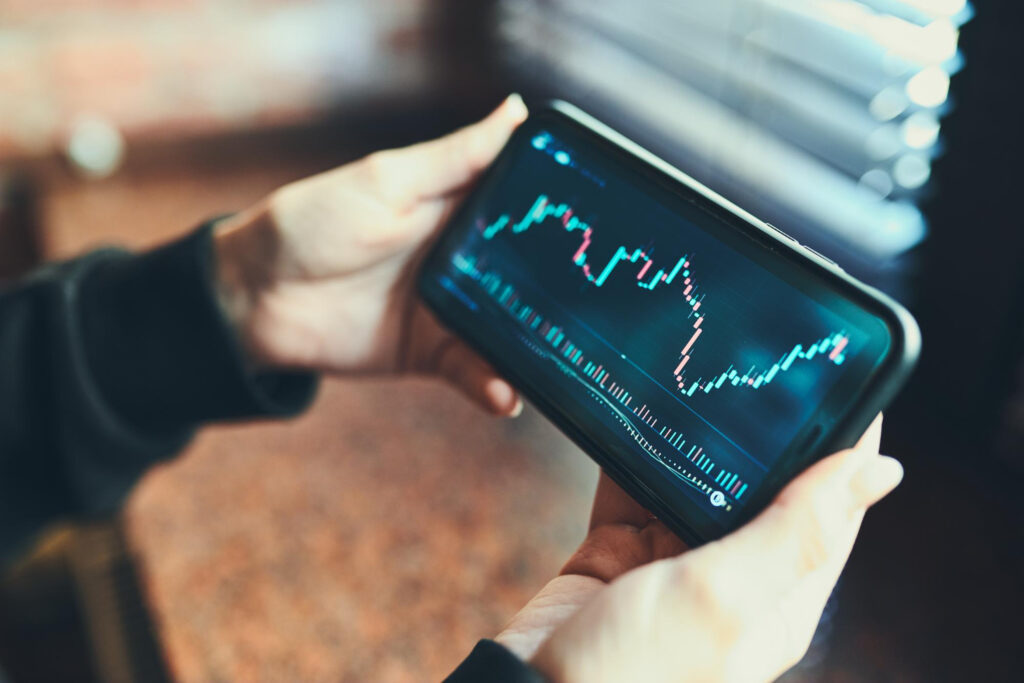
The Forex market in the Philippines presents a range of compelling opportunities, yet it also introduces a distinct set of challenges. Traders operating within this dynamic environment frequently face legal and regulatory obstacles, limited access to educational resources, and the complexities associated with emotional management. However, with the appropriate strategies and support, achieving success is attainable. This article examines the various difficulties traders encounter and offers critical guidance for excelling in the Philippine Forex market, including recommendations for selecting a reputable broker and formulating a robust trading strategy.
Overview of the Forex Market in the Philippines
The Forex market in the Philippines has experienced substantial growth in recent years, driven by a rising interest in Forex trading among both retail traders and institutional investors. As a central hub for currency exchange, the market exhibits dynamic trends that are influenced by economic indicators, geopolitical factors, and market volatility. The Philippine Peso (PHP) plays a crucial role in local trading activities, with numerous Forex brokers providing a range of trading platforms designed to accommodate various trading strategies. It is essential for traders to understand the complexities of this market to navigate its intricacies effectively.
Challenges and Difficulties of Trading Forex in the Philippines
Forex trading in the Philippines, similar to many other regions, presents a series of challenges that traders must navigate to achieve success. The regulatory landscape can be intricate and often varies, influencing the choice of forex brokers and trading strategies.
Moreover, challenges such as market manipulation, the necessity for stringent risk management, and a lack of trading education further complicate the experience for both novice and experienced traders. A comprehensive understanding of these challenges is essential for developing effective trading plans and maintaining discipline in trading practices.
Legal and Regulatory Issues
Legal and regulatory issues play a crucial role in shaping the Forex trading landscape in the Philippines, influencing how traders interact with forex brokers and manage their investments. The regulatory environment aims to protect retail traders, yet it can also present challenges that complicate trading practices. Effectively participating in Forex trading necessitates navigating trading regulations, understanding tax implications, and being aware of investment risks. Ensuring compliance with local laws is essential for safeguarding traders and fostering a safer trading community.
In the Philippines, the Securities and Exchange Commission (SEC) and the Bangko Sentral ng Pilipinas (BSP) serve as the primary regulatory authorities overseeing Forex activities. They enforce laws such as the Securities Regulation Code, which regulates the registration and trading of securities, including Forex instruments. Brokers operating within the region must adhere to strict capital requirements, licensing, and reporting standards to mitigate risks associated with excessive leverage and fraudulent activities. Additionally, traders must remain vigilant regarding potential tax liabilities arising from their trading activities, as failure to report income can result in significant penalties. By comprehensively understanding these regulatory frameworks, traders can navigate their investment journeys more effectively while minimising associated risks.
Lack of Education and Resources
A substantial obstacle to achieving successful Forex trading in the Philippines is the inadequate education and resources available to aspiring traders. Many individuals enter the Forex market without a comprehensive understanding of trading strategies, market analysis, and the psychological aspects of trading. The lack of accessible trading education, such as Forex seminars and online courses, further complicates their ability to navigate the complexities of the Forex market. Addressing this deficiency is essential for improving financial literacy and equipping traders with the necessary tools for success.
In the absence of proper educational resources, novice traders frequently encounter difficulties in developing effective trading strategies or accurately interpreting market signals, which can lead to poor decision-making and potential financial losses. This underscores the critical importance of comprehensive trading education; it give the power tos individuals to understand technical analysis, implement risk management techniques, and adopt disciplined trading habits. Various platforms, including webinars and interactive online courses, are available to accommodate different learning styles, facilitating traders’ ability to locate suitable resources in their pursuit of knowledge. By actively seeking out educational opportunities and engaging with experienced mentors, traders can significantly enhance their market acumen and improve their chances of achieving long-term success in the Forex landscape.
Tips for Successful Forex Trading in the Philippines
Achieving success in Forex trading within the Philippines necessitates a combination of strategic planning, disciplined execution, and the utilisation of appropriate tools. Traders must initially identify reputable Forex brokers that provide favourable trading conditions and support. It is essential to develop effective trading strategies that are tailored to individual risk tolerance and market conditions in order to navigate market volatility effectively.
Furthermore, a comprehensive understanding of trading psychology and the maintenance of trading discipline are critical factors in facilitating knowledge-based decision making and managing emotions throughout the trading process.
Finding a Reputable Broker
Identifying a reputable broker is a crucial step for individuals seeking to engage in Forex trading in the Philippines. The selection of Forex brokers can considerably affect trading performance, as factors such as trading costs—including commissions and spreads—directly influence overall profitability. A reliable broker should not only provide competitive pricing but also offer a user-friendly trading platform, robust customer support, and access to essential trading tools. Careful broker selection is necessary to optimise the trading experience and ensure compliance with the regulatory framework.
In evaluating options, traders should prioritise brokers that are registered with recognised regulatory bodies, as this ensures a level of accountability and security for their investments. It is essential to assess not only the commissions but also the spreads associated with various trading pairs, as these can differ significantly among brokers. Additionally, it is advisable to seek platforms that offer comprehensive analytical tools and features that can assist traders in making well-informed decisions. A broker that offers various account types can accommodate diverse trading styles, thereby enabling traders to find the most suitable option for their individual strategies.
Developing a Solid Trading Strategy
Developing a robust trading Forex strategy is crucial for achieving success in Forex trading, particularly in the dynamic market of the Philippines. Traders should consider utilising both technical and fundamental analyses to gain a comprehensive understanding of market trends and make informed decisions. Establishing clear trading objectives, such as risk-reward ratios and position sizing, facilitates more disciplined trading practices. A well-structured trading strategy assists in navigating the complexities of Forex trading and increases the likelihood of attaining long-term success.
These components function cohesively to establish a comprehensive framework that guides traders in their decision-making processes. Technical analysis entails the examination of price charts and patterns to identify potential entry and exit points, while fundamental analysis emphasises the underlying economic factors that influence currency values.
By closely monitoring market trends, traders can maintain awareness of the broader economic landscape, enabling them to anticipate potential shifts. Clearly defined objectives not only clarify traders’ goals but also promote a consistent approach, thereby reducing emotional trading and enhancing overall discipline in the execution of strategies.
Managing Risks and Emotions
Managing risks and emotions is a critical component of Forex trading that can substantially influence a trader’s performance in the Philippines. Implementing effective risk management strategies is essential for protecting capital and mitigating investment risks, while a solid understanding of trading psychology aids in preventing emotionally driven trading decisions.
Establishing clear risk tolerance levels and maintaining strict trading discipline are vital for preserving capital and achieving consistent results. Neglecting these elements can result in costly trading errors and compromise long-term success.
Effective risk management includes various techniques, such as setting stop-loss orders and determining appropriate position sizes, which enable traders to limit potential losses while maximising gains. Traders must also develop a keen awareness of their emotional triggers, as factors such as fear and greed can impair judgement and prompt impulsive actions. By formulating a comprehensive trading plan that integrates both risk mitigation and emotional regulation, individuals can create a solid framework that encourages rational decision-making. Prioritising capital preservation as a fundamental principle allows traders to remain resilient even in fluctuating market conditions, ultimately fostering sustainable growth and enhancing overall performance.

